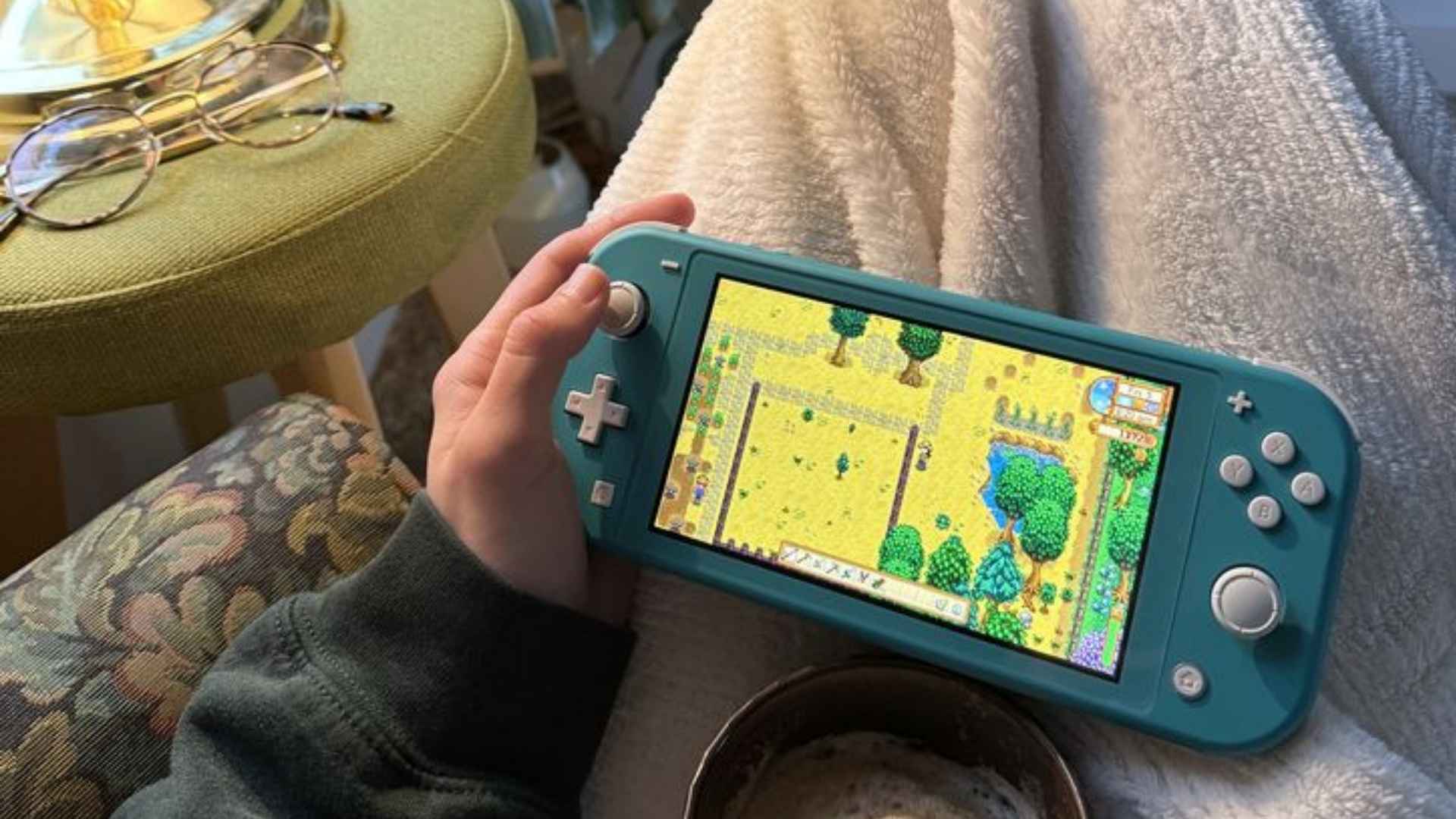
The modern gaming landscape has evolved significantly, offering dynamic virtual spaces where collaboration can take many shapes. Instead of forcing players into strict, unyielding roles, contemporary titles celebrate adaptable structures that welcome diverse playstyles and fluctuating schedules. This shift toward fluid interaction allows groups to find success without the stress of traditional, rigid team configurations.
The Shift Toward Dynamic Team Formations
In the past, conquering cooperative missions required highly structured groups with fixed responsibilities for each participant. Modern multiplayer environments have transformed this approach by introducing mechanics that adjust based on who is online and active. This freedom enables casual friends and veteran gamers to enjoy shared victories without worrying about perfect class balances.
Furthermore, fluid designs accommodate teams whose members frequently change throughout a single gaming session. If a teammate needs to log off unexpectedly, the software seamlessly scales the difficulty or shifts the objective parameters. This ensures that the remaining participants can continue their journey without facing an insurmountable penalty.
Enhancing Social Connections Across Distances
Flexible online collaboration plays a vital role in keeping long-distance friendships alive and thriving over time. By reducing the pressure to perform at an elite level, these platforms become welcoming digital hubs for casual social interaction. Players can focus on communicating and laughing together rather than strictly optimizing their mechanical execution.
For those looking to transition smoothly into these cooperative spaces, utilizing a reliable m88 link mobile provides easy access to various interactive platforms. Engaging with modern hubs helps connect communities to updated services designed to improve player convenience across multiple devices. Ultimately, removing barriers to entry encourages more organic communication and deeper shared experiences among peers.
Promoting Creative Problem Solving
When tactical systems allow for spontaneous adjustments, players are inspired to devise highly unconventional strategies. Instead of relying on predefined guides, groups must analyze their immediate surroundings and combine their unique abilities creatively. This open-ended gameplay leads to memorable moments where improvised teamwork triumphs over rigid predictability.
These adaptive challenges also teach participants how to communicate efficiently under changing circumstances. Because static win conditions are replaced by shifting goals, teams must learn to listen and pivot their strategies on the fly. This active engagement turns every match into a fresh learning experience that remains consistently rewarding.
Supporting Varied Skill Levels and Playstyles
Another major advantage of adaptable cooperative systems is their inherent ability to bridge the gap between different experience levels. Highly skilled veterans can easily team up with complete beginners without ruining the challenge for either party. The internal mechanics balance individual contributions, ensuring everyone feels helpful during intense encounters.
By prioritizing inclusive design, developers are expanding the global community and redefining what it means to play together. The future of digital entertainment relies heavily on these versatile systems that value camaraderie over strict conformity. Embracing this evolution ensures that multiplayer environments remain vibrant, supportive, and infinitely replayable for years to come.